

Air Jordan 1 Retro High Satin Black Toe
₹35,428.00
Independent reseller. Drop Shop Club is not affiliated with, endorsed by, or sponsored by the brands shown on this site.
Delivery and services
Origin: The Air Jordan 1, born in 1985, marked the genesis of a cultural phenomenon, forever altering the landscape of footwear and fashion. This pioneering design, the brainchild of Peter Moore, was conceived to meet the demands of a rising basketball superstar, Michael Jordan, and quickly transcended its athletic origins. The initial release, with its bold colorways, immediately captured the public's attention, setting the stage for decades of dominance in the sneaker world.
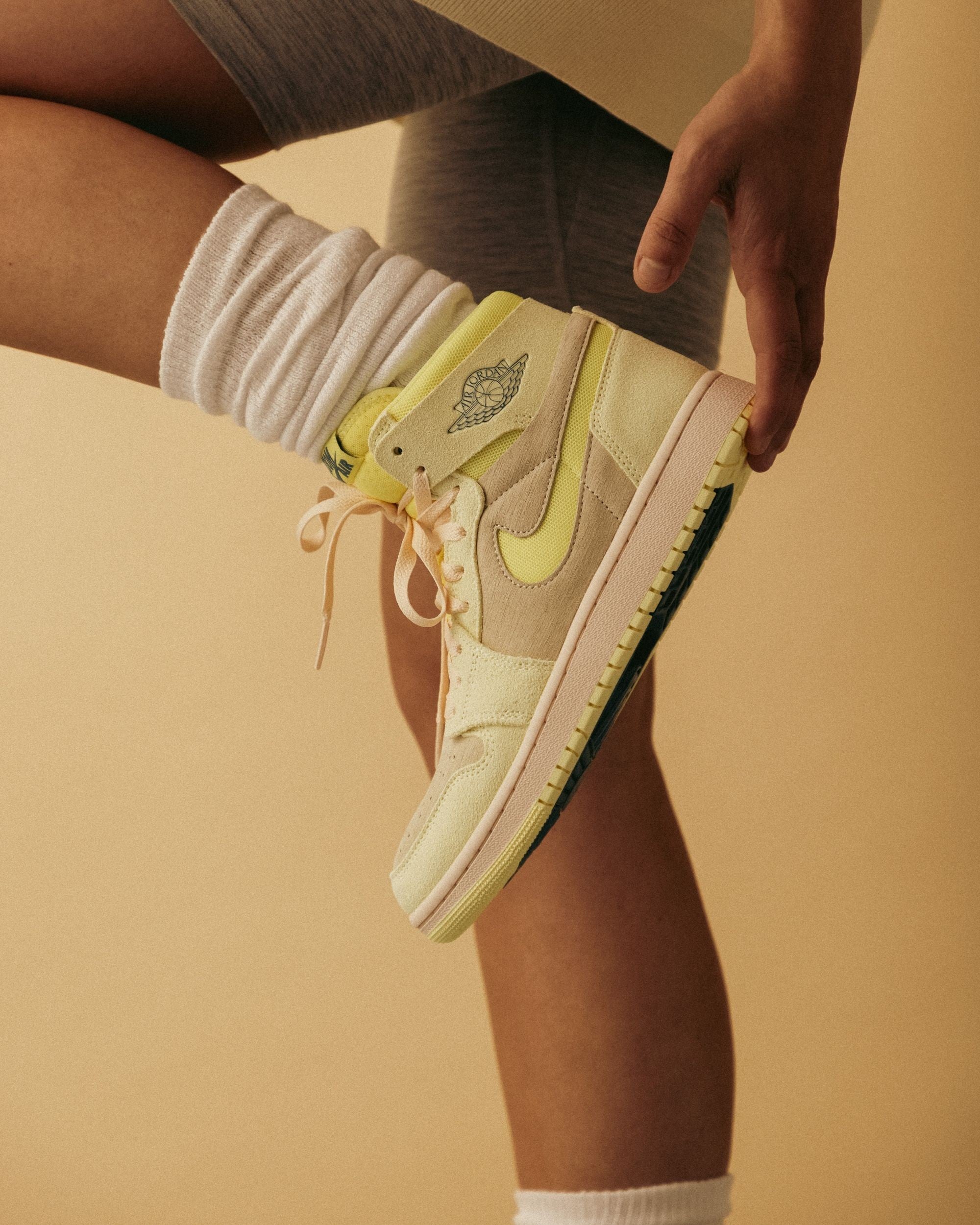
Construction: The 'Satin Black Toe' variant embodies meticulous craftsmanship, blending premium materials for both performance and aesthetics. The high-top silhouette provides ankle support, while the combination of leather and satin creates a luxurious feel. The inclusion of an encapsulated Air-Sole unit in the heel ensures responsive cushioning, and the solid-rubber outsole, featuring a pivot point tread pattern, delivers exceptional grip and durability. The iconic Wings logo, crafted from metal, further elevates its premium status.
Utility: Primarily designed for casual wear and lifestyle purposes, the Air Jordan 1 'Satin Black Toe' seamlessly integrates into the modern wardrobe. Its versatile design caters to diverse style preferences, whether navigating city streets or making a statement at social gatherings. The shoe's comfortable fit and durable construction also make it suitable for light athletic activities, although its primary function remains firmly rooted in the realm of fashion and self-expression.
Influence: The Air Jordan 1's influence is undeniable, having shaped multiple subcultures and leaving an indelible mark on fashion. The silhouette's impact reverberates through sneaker culture, with figures like Michael Jordan himself, whose on-court performances in the shoe, particularly during the 1980s, fueled its meteoric rise. Further amplifying its influence, the shoe became a mainstay in hip-hop culture, adopted by trendsetters and style icons. Its adoption by early skateboarding communities during the 1980s solidified the shoe's status as a symbol of rebellion and cultural relevance.
Delivery & Returns
Unused returns within 3 days. Authenticity, damaged-item, or incorrect-item claims within 7 days of delivery.